8 Essential Tips for Commercial Demolition Projects
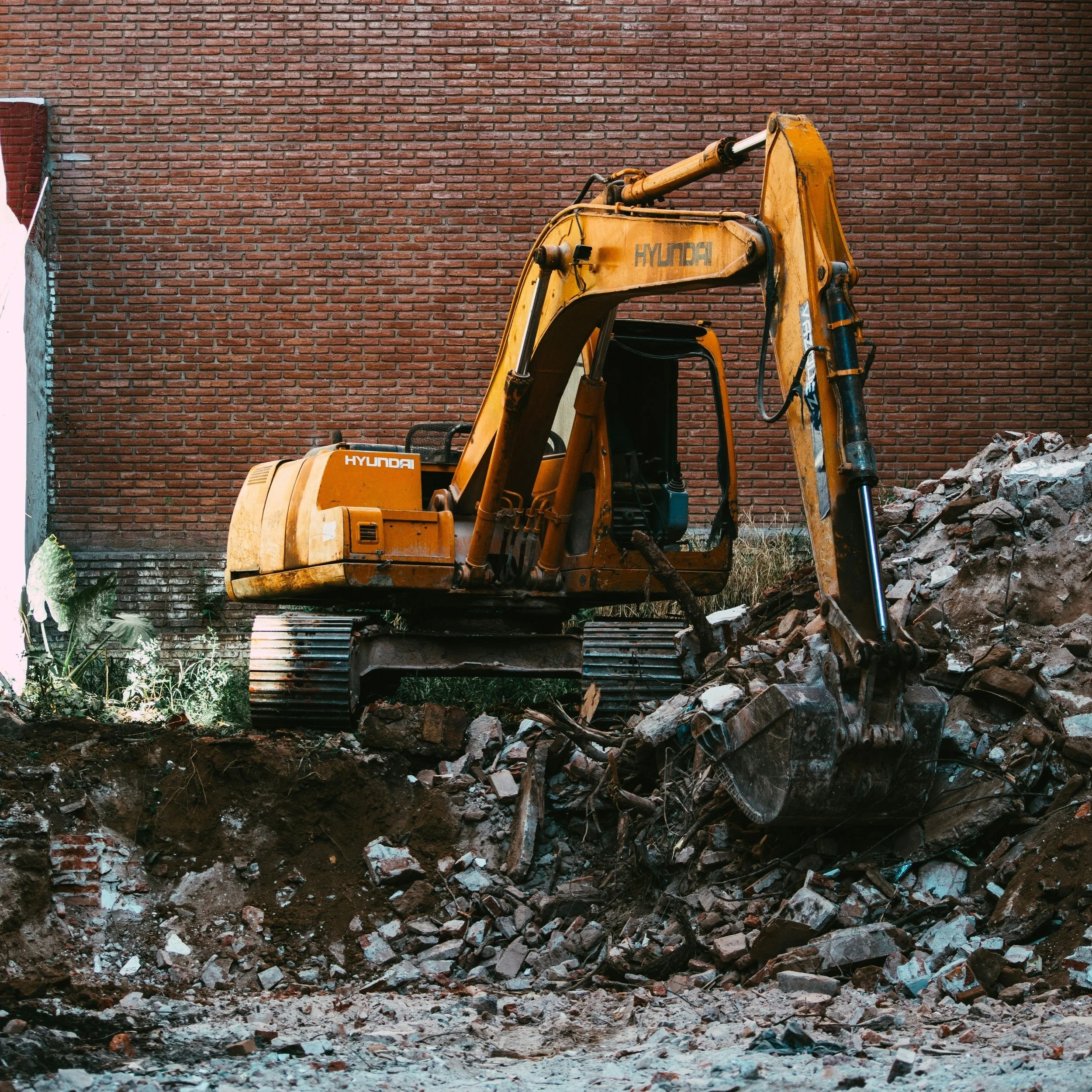
Commercial demolition involves unique risks, making safety a top priority for any project. Ensuring safety not only protects workers and the surrounding environment but also enhances project efficiency and prevents costly delays.
Here’s a breakdown of how to achieve a safe and successful demolition project:
1. Comprehensive Planning
Begin with detailed planning. Assess the site thoroughly to identify potential hazards. This includes analyzing building structures, checking for hazardous materials, and understanding the surrounding area. A well-crafted plan will highlight areas of concern and lay out steps to manage them effectively.
2. Conducting Risk Assessments
Performing a risk assessment is critical to identify and mitigate potential dangers. This process involves evaluating structural stability, potential for falling debris, and the presence of hazardous substances like asbestos. Use these findings to develop strategies that ensure safety throughout the project.
3. Adhering to Safety Regulations
Compliance with local, state, and federal safety standards is mandatory. These regulations provide guidelines for safe demolition practices, covering everything from equipment usage to worker protection. Adhering to these laws helps avoid legal issues and keeps the project on track.
4. Employing Trained Professionals
Hiring skilled and certified demolition experts is essential. These professionals should have the necessary experience to operate specialized equipment and perform demolition tasks safely. Their expertise ensures that the project proceeds smoothly and securely.
5. Using Proper Equipment
The right tools are crucial for safe demolition. This includes heavy machinery, protective gear, and safety devices. Ensure all equipment is in good working condition and suited for the specific requirements of the demolition project. Regular maintenance and inspections of equipment further contribute to safety.
6. Effective Communication
Clear and continuous communication among all team members is vital. Establishing a communication plan helps in sharing safety updates, coordinating activities, and addressing any issues that arise promptly. This clarity prevents misunderstandings and keeps everyone aligned on safety protocols.
7. Managing Environmental Hazards
Demolition projects often produce dust and debris, which can be hazardous. Implement measures to control dust and manage debris to minimize environmental impact. Proper handling of hazardous materials, like lead or asbestos, is also crucial to prevent contamination and health risks.
8. Emergency Preparedness
Being prepared for emergencies can save lives. Develop a comprehensive emergency response plan and ensure all workers are trained in emergency procedures. This preparation allows for quick and effective action in case of unexpected incidents, such as structural collapses or equipment failures.
Conclusion
Prioritizing safety in commercial demolition protects workers, prevents environmental damage, and leads to more successful project outcomes. By following these guidelines, you can manage risks effectively, comply with regulations, and achieve your project goals efficiently.